


Home

Welcome to the Northamptonshire Natural History Society.

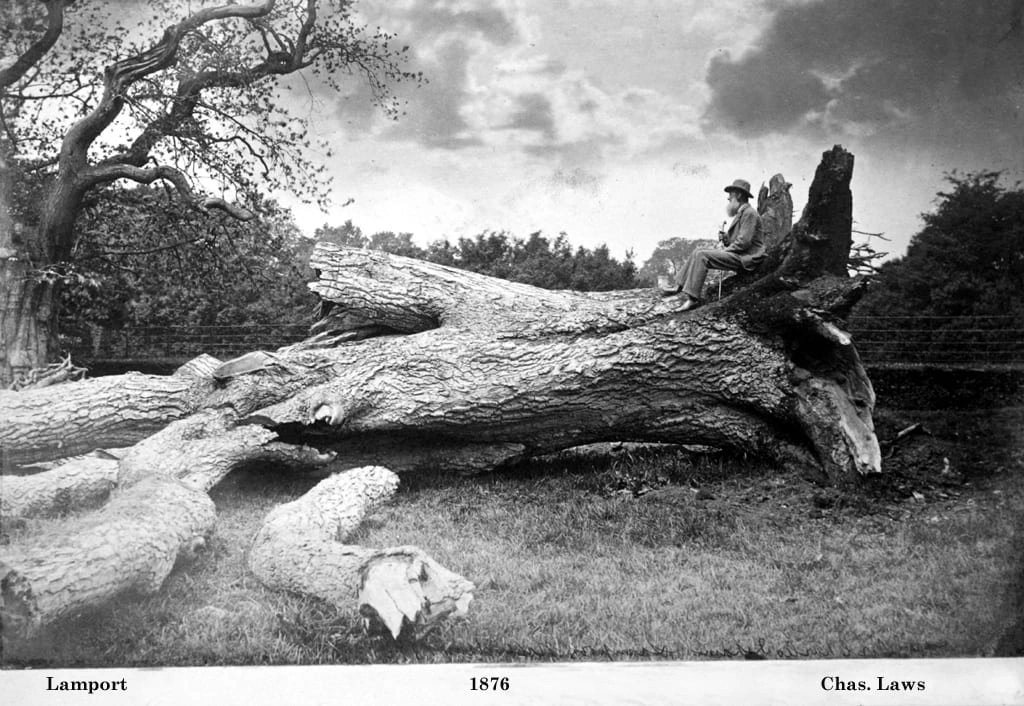
The Society was founded in 1876 and welcomes all who are interested in the wonders of science and nature. We cater for all levels of interest, from those who are just beginning to realise how amazing nature is.

Supported by the

logo
Home

The Society covers a wide range of Interests.

The Society covers a wide range of Interests, so please do have a browse of the sections below to see which grab your attention. There is more detailed information on each of the Section pages. Membership of the NNHS entitles you to attend any meeting from any Interest section within the Society.

Supported by the

logo
Home

The original and largest Astronomical Society in Northamptonshire

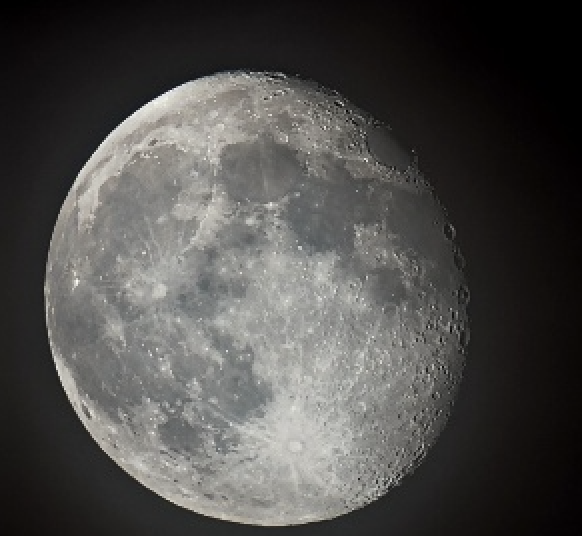
The Astronomy section page is the original and largest Astronomical Society in Northamptonshire, dating back in 1957. We cater for all levels of interest in astronomy, for all ages and from armchair astronomers through to active observers. We host an entertaining and thought-provoking programme of meetings, observational evenings and various public outreach events throughout the year.

Supported by the

logo
Upcoming Events

What’s On

05 Jul Microscopy

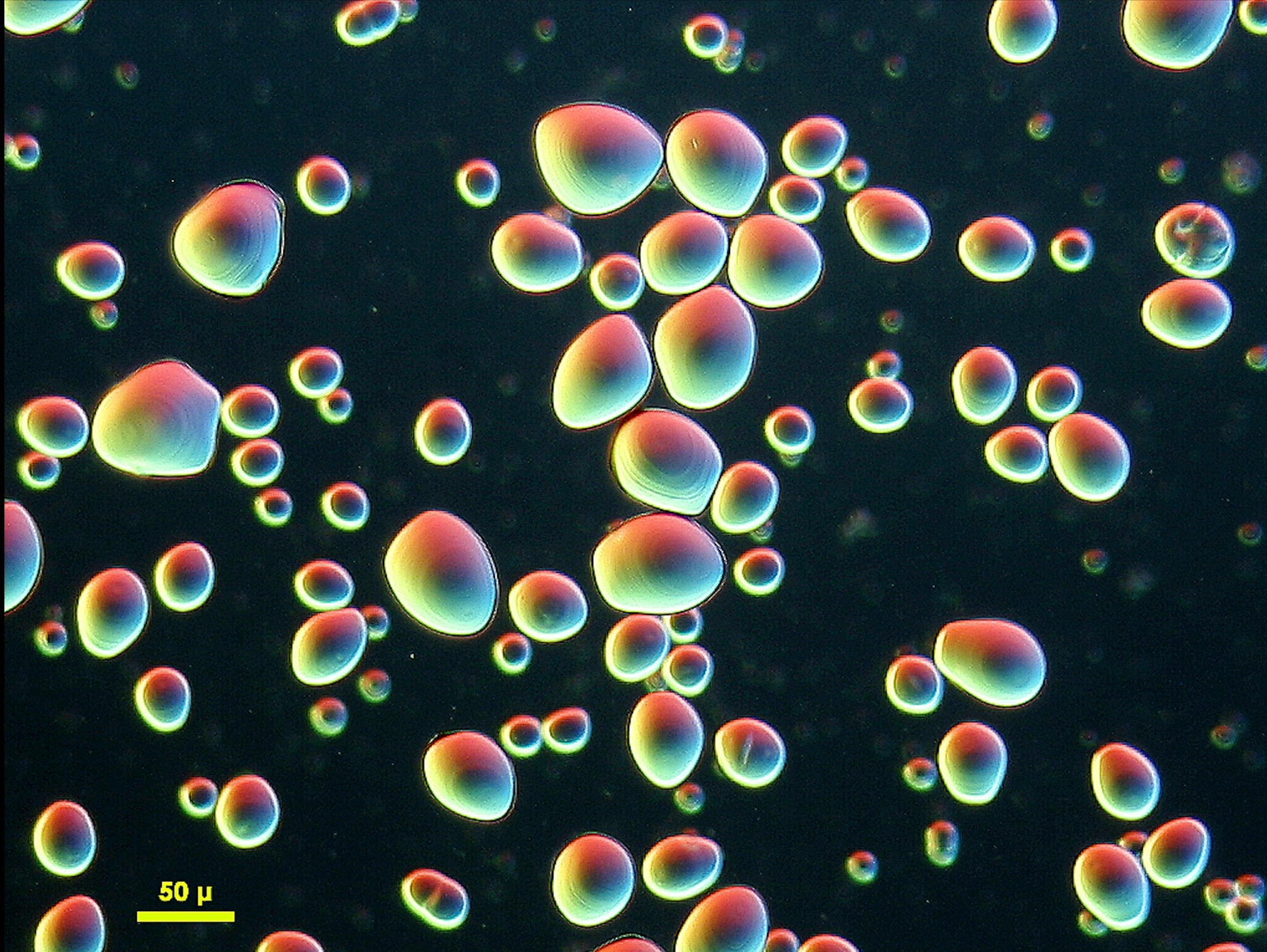
A full celebration day of Microscopy in the Humfrey Rooms – Image credit Ella Dallolio NNHS Member

16 Jul Geology

We will meet at the Rooms at 2.15pm to start our Northampton walk

27 Jul Astronomy

Image credit: NASA/JPL-Caltech/UCLA – WISE All-Sky Data Release

Fields of Exploration

Where Curiosity Leads

Dig into the past and connect with the people, places, and stories that shaped our landscape.

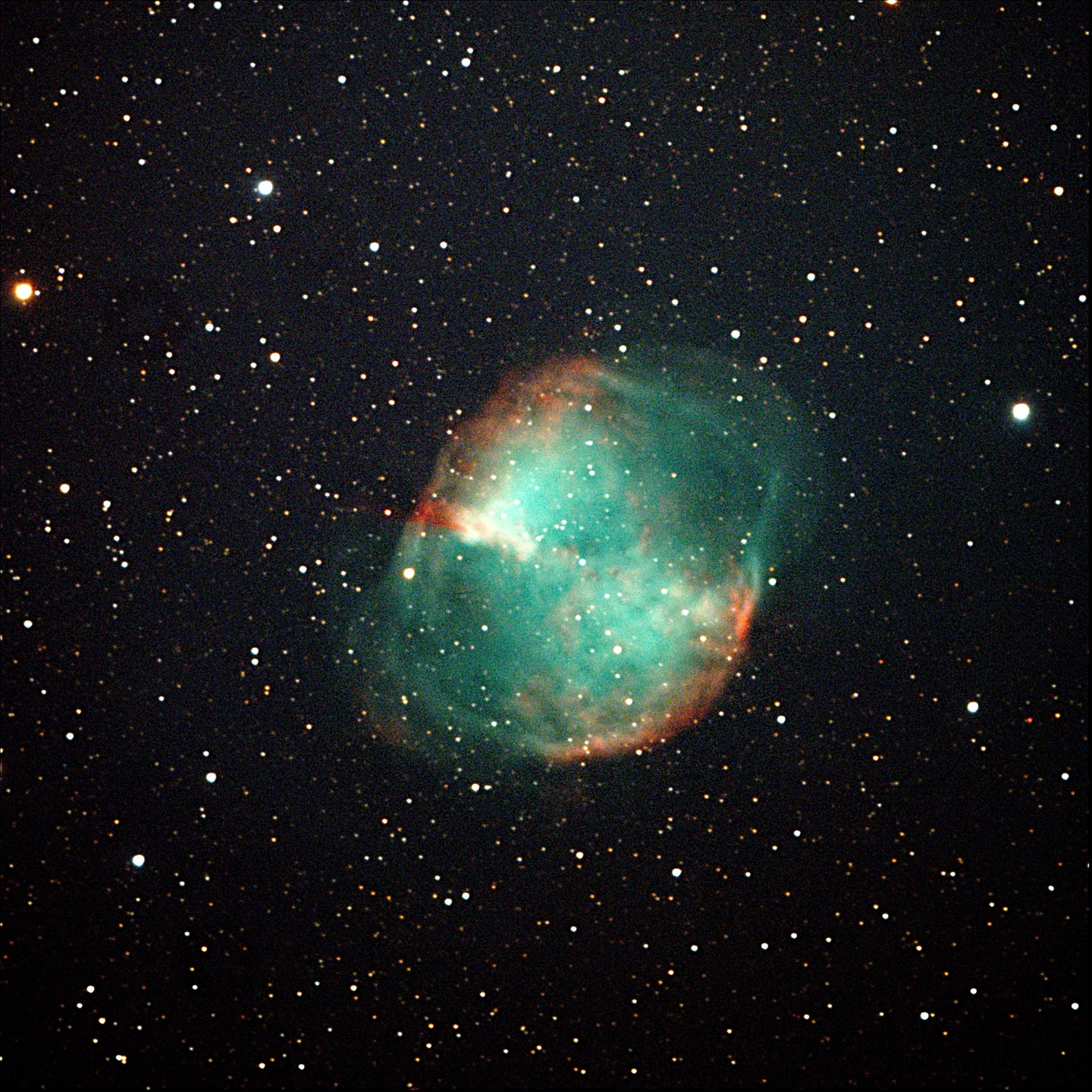
From distant galaxies to the night sky above Northamptonshire – discover the cosmos with us.

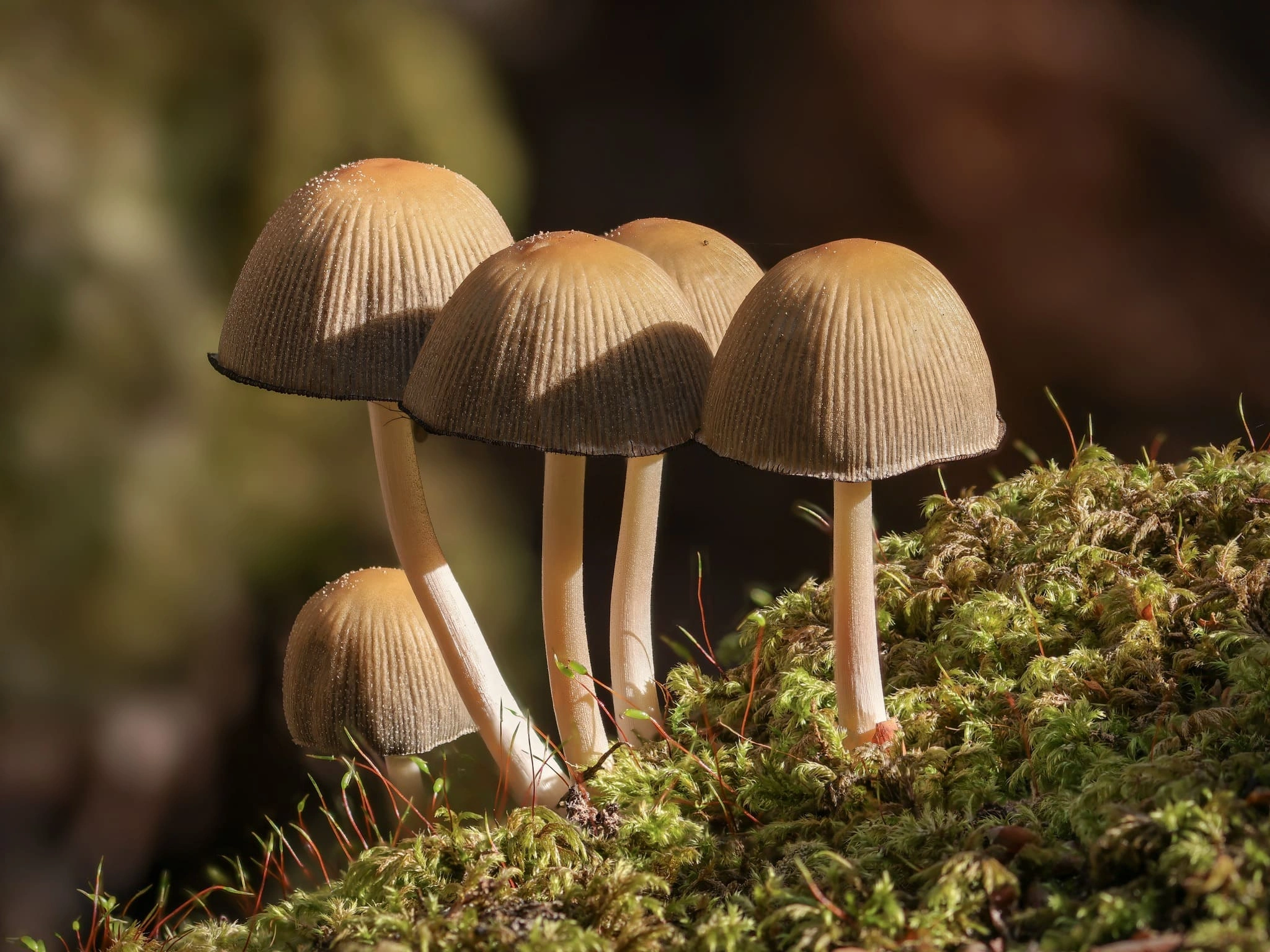
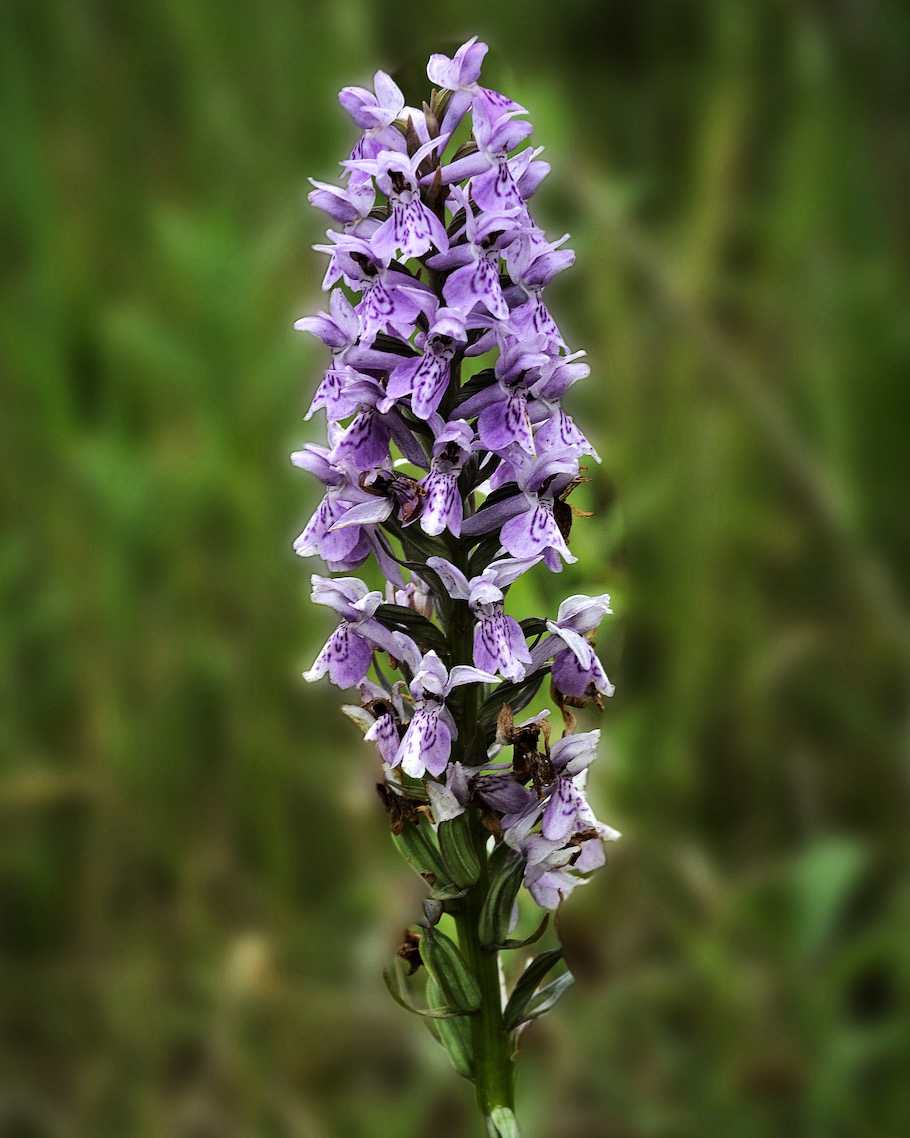
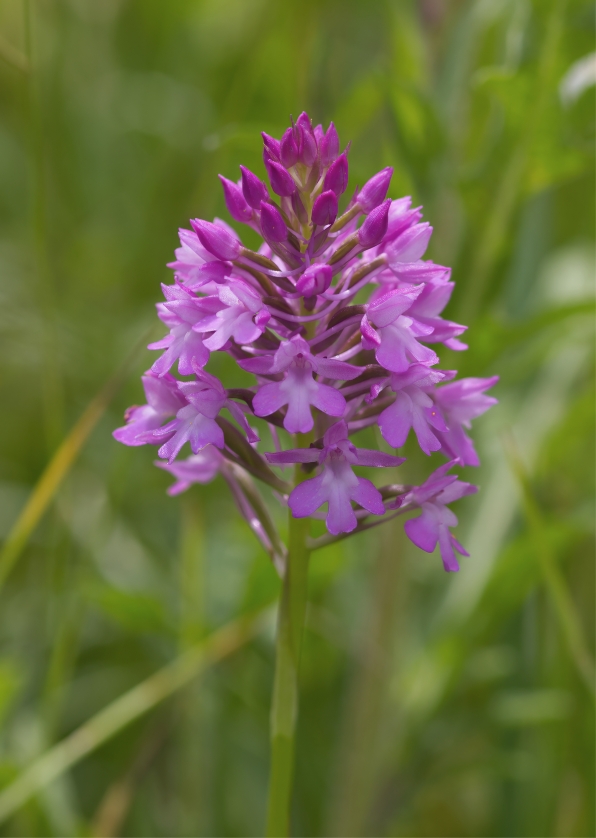
From wildflowers to woodlands, explore the rich plant life that surrounds us.

A place for broad interests, big questions, and a shared passion for the natural world.

Explore millions of years of Earth’s history beneath your feet.

Step into a hidden world revealed through the lens of a microscope.

From landscapes to wildlife, turn observation into lasting images.

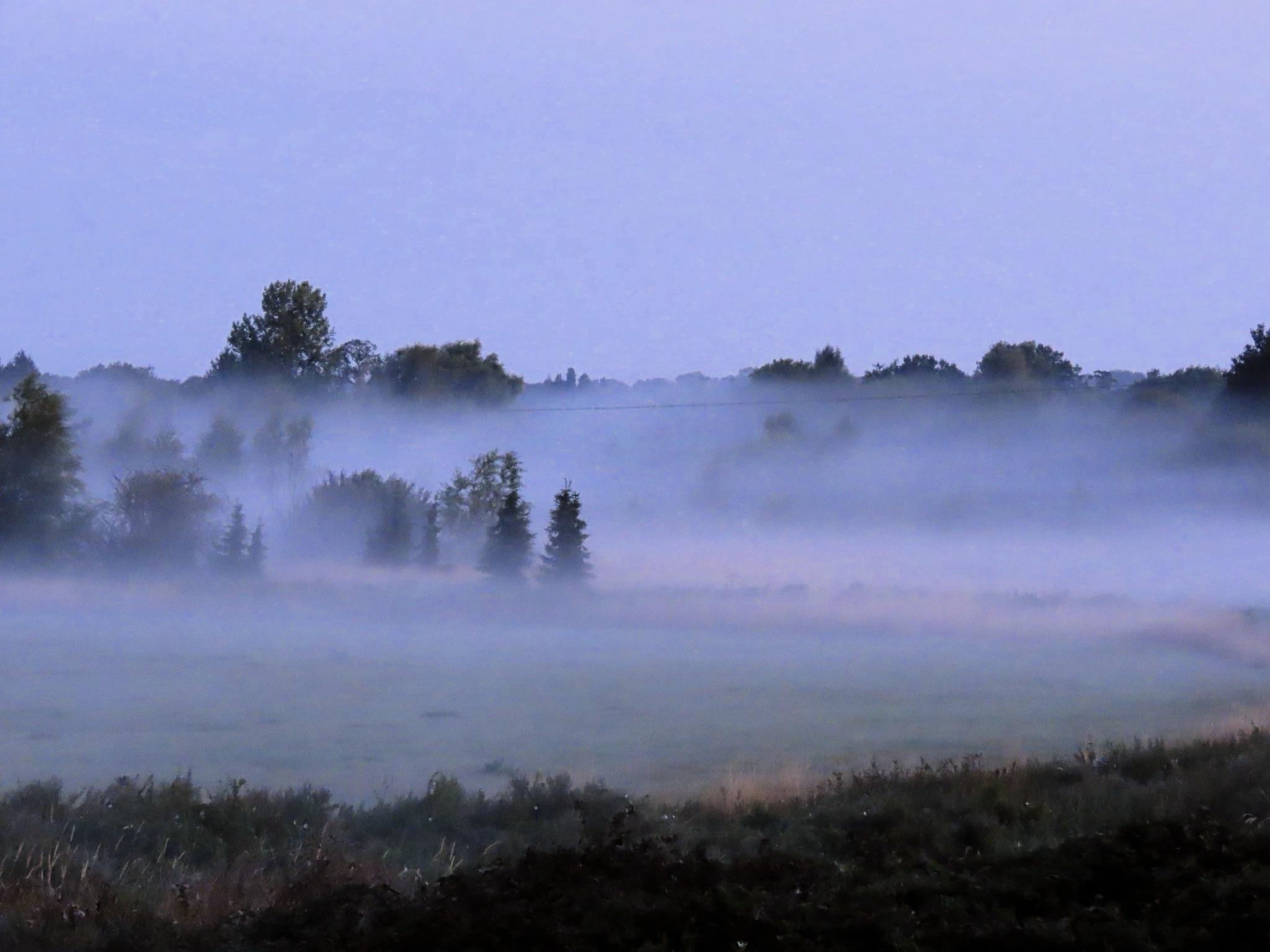
From daily weather to global climate, discover the forces shaping our world.

Discover the animals that share our environment — from the familiar to the elusive.

Who we are?

The Northamptonshire Natural History Society (NNHS), founded in 1876, is one of the county’s longest-established scientific and educational organisations. For 150 years, we have been dedicated to promoting the study, understanding, and enjoyment of the natural world, with a particular focus on Northamptonshire’s rich landscape, wildlife, and heritage.

From its earliest days right up to today, the Society has brought together people with a shared curiosity about the world around them. At our heart is a friendly, supportive community, open to everyone – from beginners to experts. We value curiosity, collaboration, and a shared love of discovery.

We deliver a diverse programme of talks and lectures, sharing knowledge and fostering appreciation of Northamptonshire’s natural environment and heritage across a wide range of subjects with a strong emphasis on Northamptonshire.

Our vision is to inspire understanding of the natural world and celebrate Northamptonshire’s environment, science, and heritage for generations to come. Whether you’re looking to learn, connect, or explore, you’ll find a warm welcome at NNHS.

150 Years of Discovery

From the 1876 founding to the stars.

Since our first gathering in 1876 and our historic expedition to the 1896 Norway Eclipse, we have been dedicated to illuminating the natural world. Our heritage is not just in our archives, but in the spirit of curiosity that drives us forward.

Archaeology & History

The Archaeology and History Section Pages is mainly focussed on History. Currently there are no Archaeological investigations being undertaken although visits are made to local sites in Northamptonshire where work may be in progress.

We host a series of talks and lectures about Archaeology and History throughout the year by both resident and guest speakers. Subject matter varies greatly and can cover anything from stone circles to Edward Lear, from the Romans to the Incas, from medieval life to Victorian buildings etc. Most of the subjects relate to Northamptonshire and the local area.

Botany

Join us for a fascinating series of botanical lectures and talks celebrating the rich plant life of Northamptonshire. Held on the first Thursday of every month at 2.30pm at The Humfrey Rooms, these engaging sessions bring together enthusiasts and experts to explore local flora, seasonal highlights, and intriguing botanical discoveries. Each meeting offers a chance to deepen your knowledge, hear from passionate speakers, and connect with others who share an interest in the natural world. Whether you’re a seasoned botanist or simply curious about the plants around you, our monthly talks provide a welcoming and stimulating environment to learn something new.

1896 eclipse in Norway

How Astrophotography has Evolved

Solar Eclipse

Since its founding in 1876, the Northamptonshire Natural History Society has shared in one of astronomy’s most captivating pursuits: the observation of solar eclipses.

A solar eclipse occurs when the Moon passes directly between the Earth and the Sun, casting a shadow onto the Earth’s surface. During a total solar eclipse, the Moon completely covers the Sun for a few brief minutes, turning day into an eerie twilight and revealing the Sun’s outer atmosphere-the corona-which is normally hidden from view. Because the alignment has to be just right, total eclipses are rare at any one location, making them especially exciting to witness.

In an age before affordable travel and digital imaging, witnessing a total eclipse required determination and careful planning. In 1896, members of the Society undertook a remarkable journey to Norway to observe a total solar eclipse – travelling hundreds of miles in the hope of standing, briefly, in the Moon’s shadow. Expeditions like this reflected the spirit of curiosity and dedication that has long defined the NNHS.

That same spirit continues today. In 2026, another total solar eclipse will cross parts of Europe, offering a new generation the chance to experience the sudden twilight, the cooling air, and the extraordinary sight of the Sun’s corona shining in the darkened sky.

While technology has transformed how we observe and record these events, the sense of wonder remains unchanged. Whether through telescopes, cameras, or simply the naked eye (with proper eye protection), eclipses continue to inspire the same excitement that led NNHS members to Norway over a century ago. From Victorian expeditions to modern-day observations, solar eclipses connect generations of naturalists and astronomers. They remind us that, however much the world changes, there are still moments when we all look up together in awe.

Astral Projection

Among the photographs taken during the NNHS expedition to Norway for the 1896 solar eclipse is a striking image of the Sun at totality, its disk completely obscured and surrounded by the delicate streamers of the solar corona. To late nineteenth-century observers, such images could appear almost otherworldly.

The radiating structures of the corona – captured imperfectly by early photographic methods – were sometimes described in terms that reflected the wider intellectual interests of the time, including ideas about unseen energies or even “astral” emanations.

Today, these features are understood as part of the Sun’s outer atmosphere, shaped by complex magnetic fields and visible only during total eclipse. Yet the photograph remains a powerful historical record: not only of a scientific observation, but of a moment when the boundaries between careful study and imaginative interpretation were still being explored. In this way, it reflects both the curiosity of the 1896 expedition and the enduring sense of wonder that continues to inspire NNHS members today.

Deep Space

The Deep Sky Section of the Northamptonshire Natural History Society brings together highly knowledgeable and experienced amateur astronomers with a shared passion for exploring the universe beyond our Solar System. From distant galaxies and nebulae to star clusters and variable stars, members use their own telescopes and equipment alongside a wealth of practical experience to study the night sky in detail.

Knowledge is always shared freely within the group – whether discussing observations, offering advice on equipment and techniques, or helping others discover what to look for. The section combines expertise with a welcoming, collaborative spirit, making it an ideal place to deepen your understanding of astronomy while learning from dedicated observers who continue the Society’s long tradition of serious amateur study.

Clouds at Night

Noctilucent clouds, often called “night-shining clouds,” are one of the most magical sights you can catch in the sky. Unlike ordinary clouds, they form incredibly high above Earth—so high that even after the Sun has set for us, they can still be lit up from below the horizon. This gives them a glowing, electric blue or silvery appearance that almost looks unreal. They’re most often seen during summer evenings near the horizon, especially in northern regions. If you ever spot thin, shimmering clouds lighting up the twilight sky, you might be looking at one of the rarest and most beautiful cloud types on Earth.

Find More About Us

Follow us on Instagram

@Northamptonshirenhs