
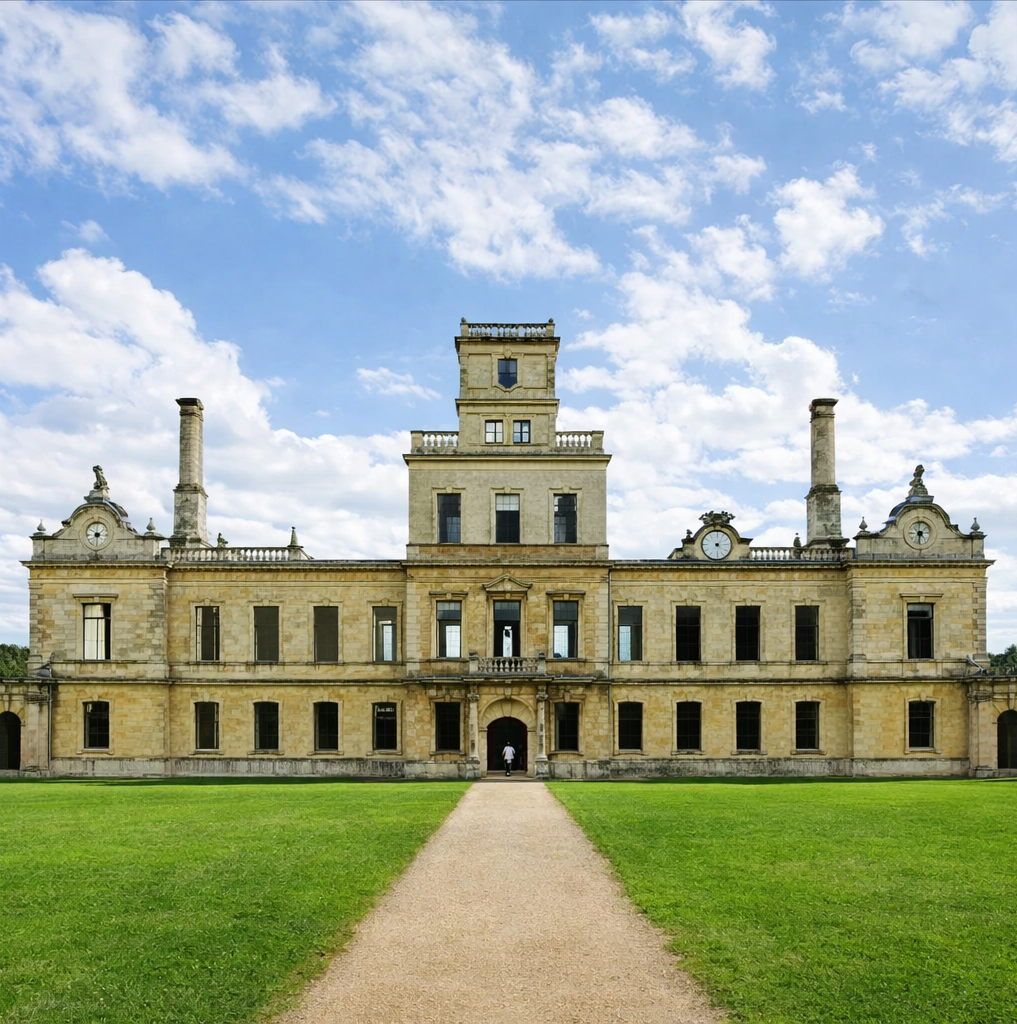

Archaeology and History
If you’re interested in history, archaeology or discovering more about Northamptonshire’s past, you’ll find plenty to explore with our Archaeology and History Section.
Our programme includes talks and lectures from Society members and visiting speakers, covering a wonderfully varied range of subjects – from the Romans and medieval life to Victorian buildings, ancient monuments and fascinating people and places from the past. Many of our talks have a Northamptonshire or local history connection, while others take us much further afield.
Although we’re not currently carrying out archaeological excavations ourselves, we visit local archaeological and historic sites around Northamptonshire, including places where new discoveries and investigations are taking place.
You don’t need to be a historian or an archaeologist to come along. Whether you know the subject well or are simply curious about the past, you’ll be very welcome.
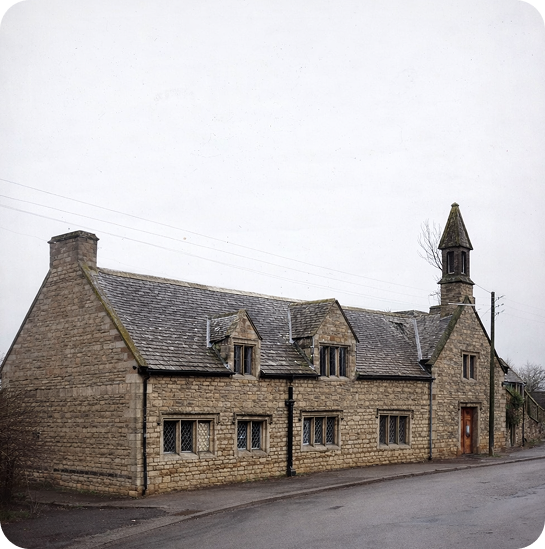
The Exploration Society
Examining Barrows, Tumuli & Prehistoric Remains
Archaeology has a long history within NNHS. One of the most important records of the Society’s early archaeological work appears in Volume 19 of the NNHS Journal, which includes a detailed account of excavations carried out by the Northamptonshire Exploration Society, described at the time as an offshoot of the Archaeology and History Section.
A committee of eight members was formed to “examine barrows, tumuli and other prehistoric remains”, and archaeological excavations were organised at several important Northamptonshire sites, including the Anglo-Saxon cemetery at Holdenby and the Roman villa at Harpole.
The members responsible for supervising the excavations, recording the discoveries and restoring the sites as far as possible were F. Bostock, T. George, C. A. Markham, F. Shepherd, W. R. Shoosmith, B. Thomson, T. Turner and E. Turner.
These early investigations form an important part of NNHS’s long involvement in recording and understanding the archaeology and history of Northamptonshire.
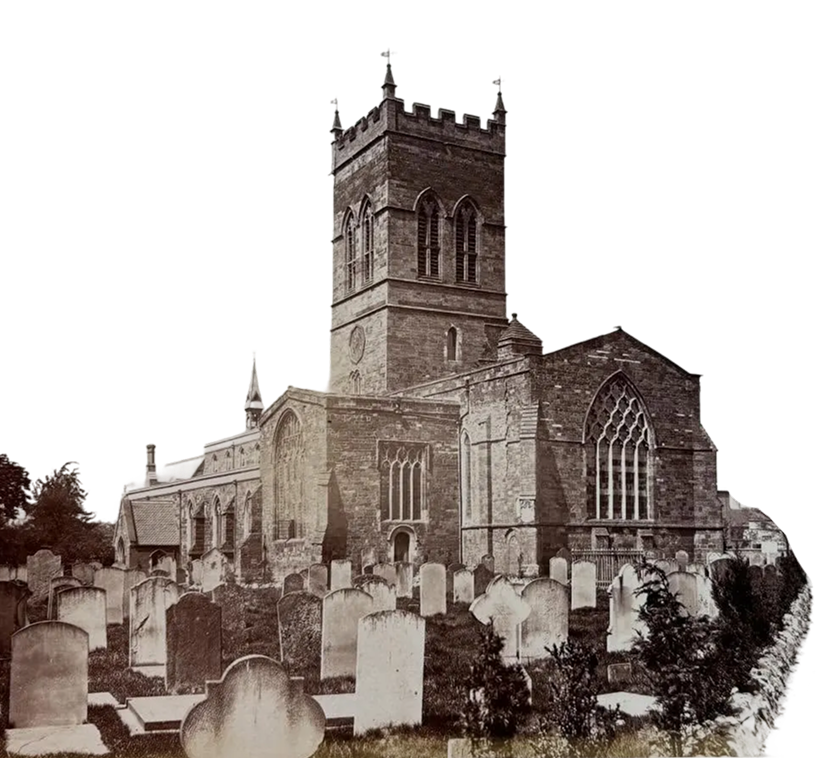
A legacy of Discovery
By P.Goodfellow
In its early years, the Society did not have a dedicated archaeology section, although members regularly visited historic houses and churches of antiquarian interest.
It was not until 1897 that an Archaeological Section was formally proposed. Its first Secretary was Mr T. J. George, the Borough Librarian. Initially, however, the Section’s activities were not widely published. Meetings took place in the rooms of the Archaeological Society, first at 8 Abington Street and later at 12 Sheep Street.
At one point, there was even a suggestion that the two societies (Northamptonshire Natural History Society and Archaeological Society) might merge, though this idea was ultimately declined—perhaps out of concern over each losing independence.
The Section also enjoyed connections beyond the county. On one memorable visit to Leicester, members were shown notable antiquities before being hosted by Canon Sanders, a former president, who treated them to strawberries and cream along with other refined delicacies—a fitting end to a day of historical exploration.
Chronicle
Through the Years
-
1904
In June 1904 it is reported that the Section was reorganised (although unfortunately no details are given) and there is a report of a visit to Naseby by a group, some of whom cycled, while 52 others travelled in two large brakes provided my Messrs Bonham.
-
1905
Membership evidently increased during this time as for the winter of 1904-5 cards of membership were printed with details of the programme, and these were to be used as a pass to meetings because of limited accommodation (in Reference Library, Guildhall Road). Apparently it was usual for a distinction to be drawn between Full members of the Society and Sectional members because at the AGM in 1905 a report listed 59 members of whom 17 belonged to the NNHS and 42 to the Section. This practice evidently continued because in 1908 the Laws wore drawn up to permit Sectional members.
-
1909
The familiar pattern of regular meetings in the winter months with visits or excursions in the summer was well established by 1909 under the leadership of Mr T J George as President and Mr W H Arlidge as Secretary (these two members were still in these offices in 1919, which could well be a record of combined service to the Society). A visit organised by these gentlemen to Tamworth and Lichfield was of some interest as a similar outing took place 60 years later.
-
1912
A break with custom was noted in 1912 because the Section held a meeting at which the speaker was Mrs Abbey, her subject was ‘Samplers’, but it was also reported that this was the first time that a lady had been invited to speak.
-
1914
During the war years there were, naturally, fewer meetings, but a general meeting that was reported fully in the Journal was on the ‘Fortifications of Northampton’ when the speaker was Mr Reginald Brown who was then the Borough Librarian, having been appointed in 1912, Mr George continuing as Curator of the Museum until his death in 1920.
Collections
The Gallery
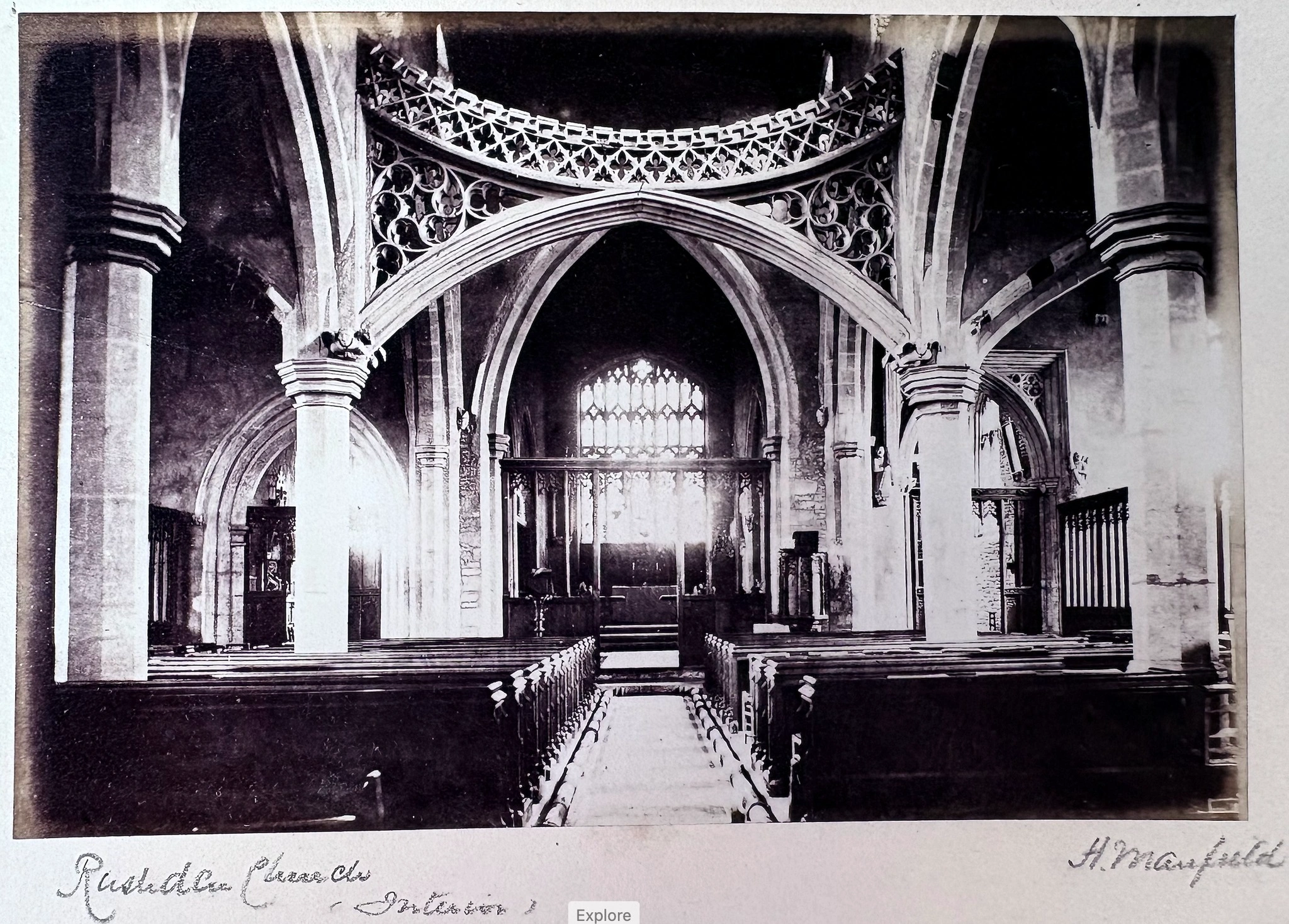
Fields of Exploration
Where Curiosity Leads
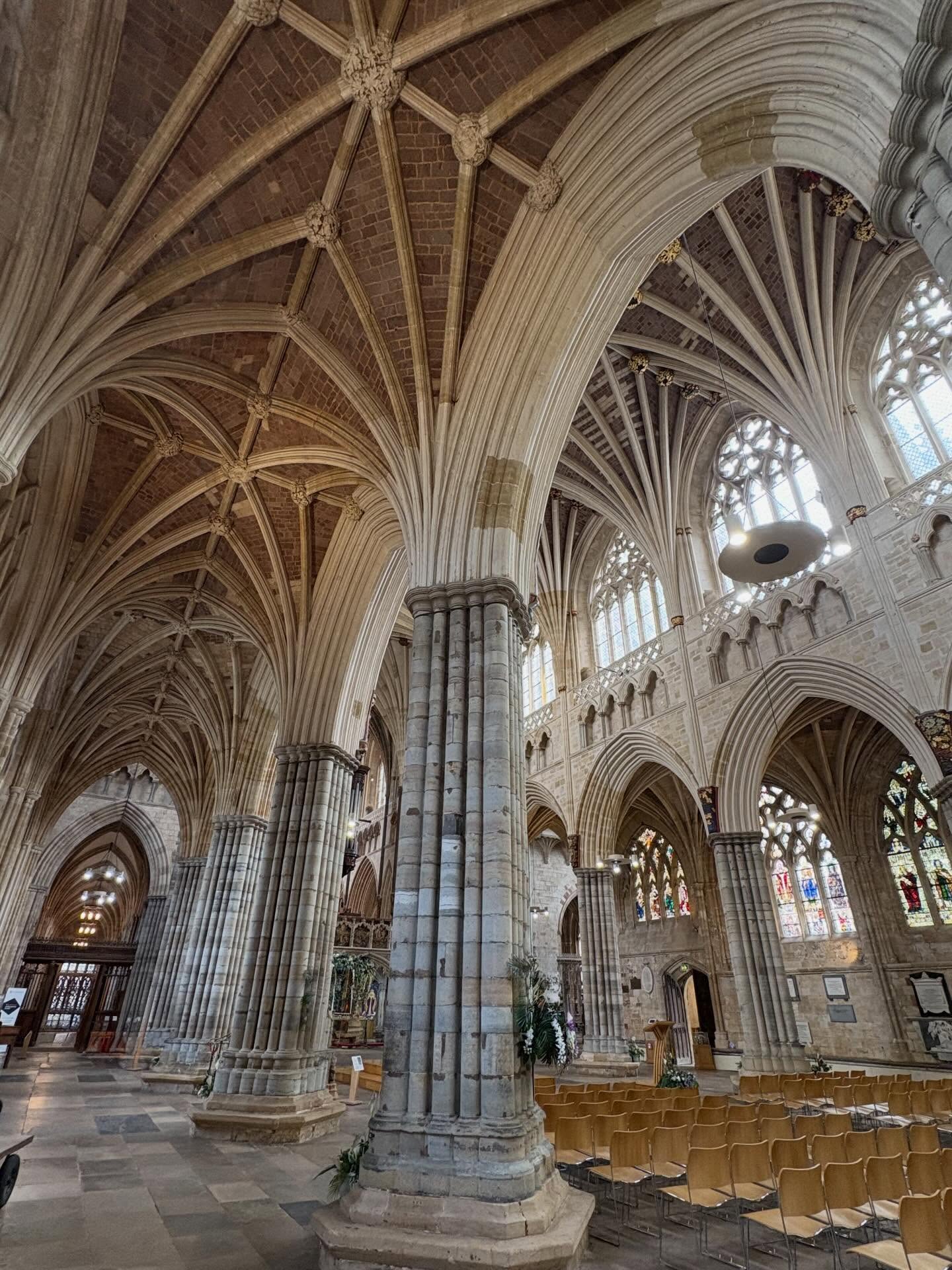
Dig into the past and connect with the people, places, and stories that shaped our landscape.

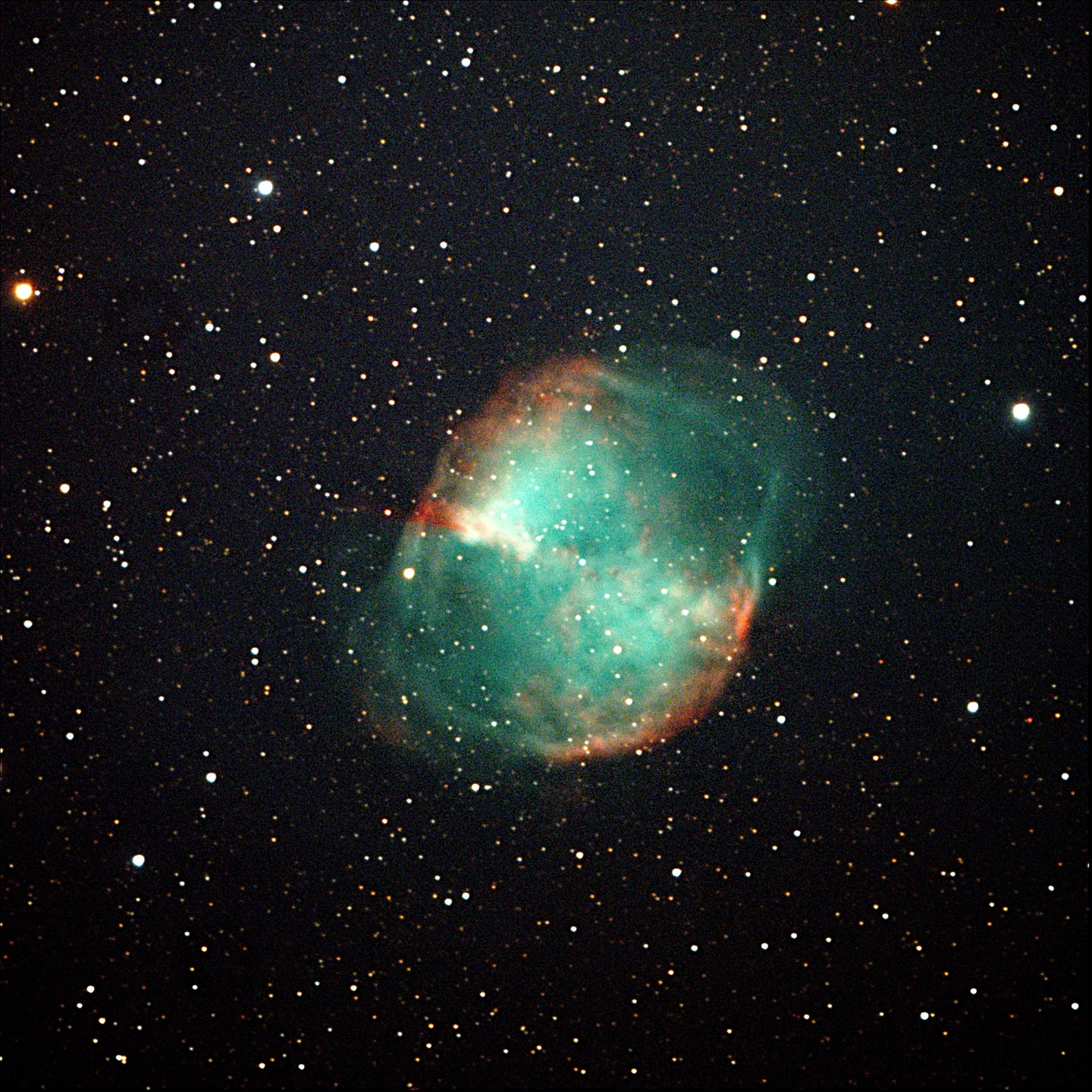
From distant galaxies to the night sky above Northamptonshire – discover the cosmos with us.
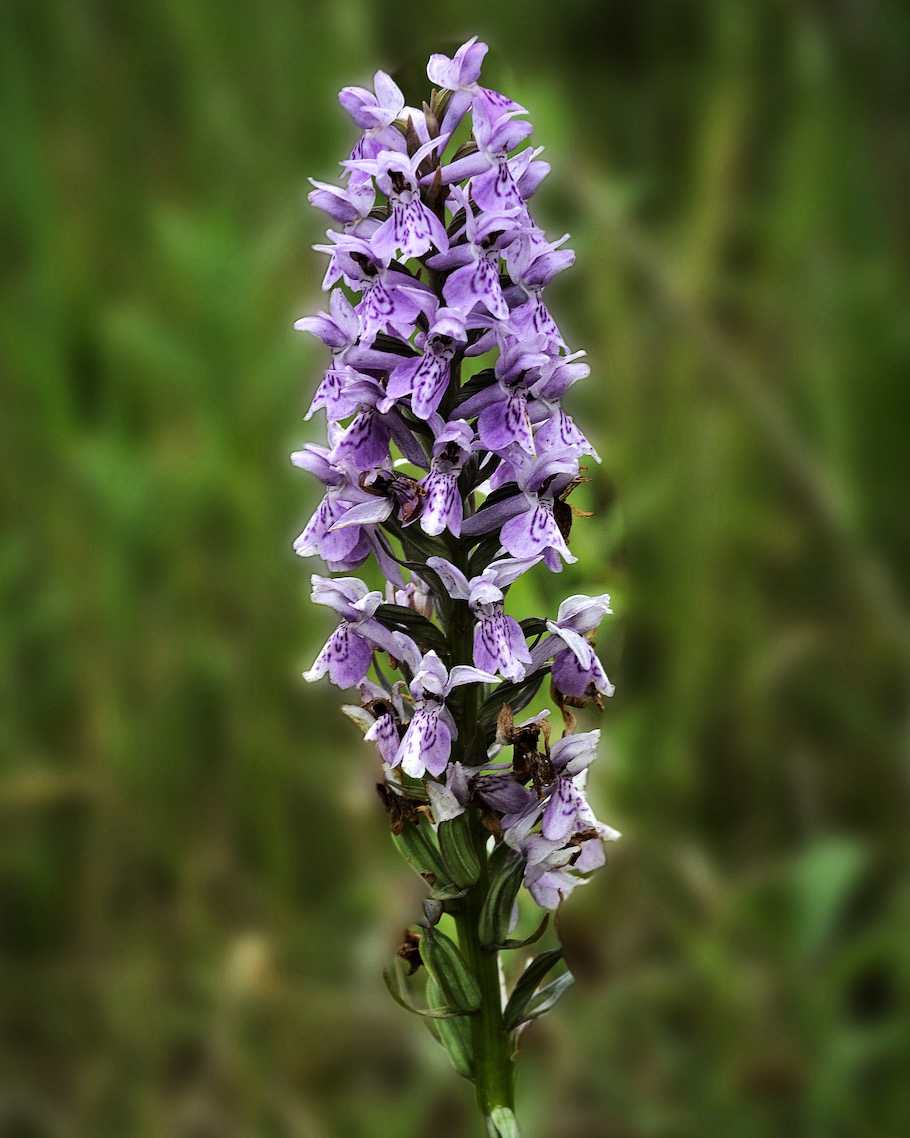
From wildflowers to woodlands, explore the rich plant life that surrounds us.
Looking for interesting daytime talks with a friendly social group in Northampton. Our Gneral meeting are a place for broad interests, big questions, and a shared passion for the natural world.
Explore millions of years of Earth’s history beneath your feet.
Step into a hidden world revealed through the lens of a microscope.

From landscapes to wildlife, turn observation into lasting images.
From daily weather to global climate, discover the forces shaping our world.
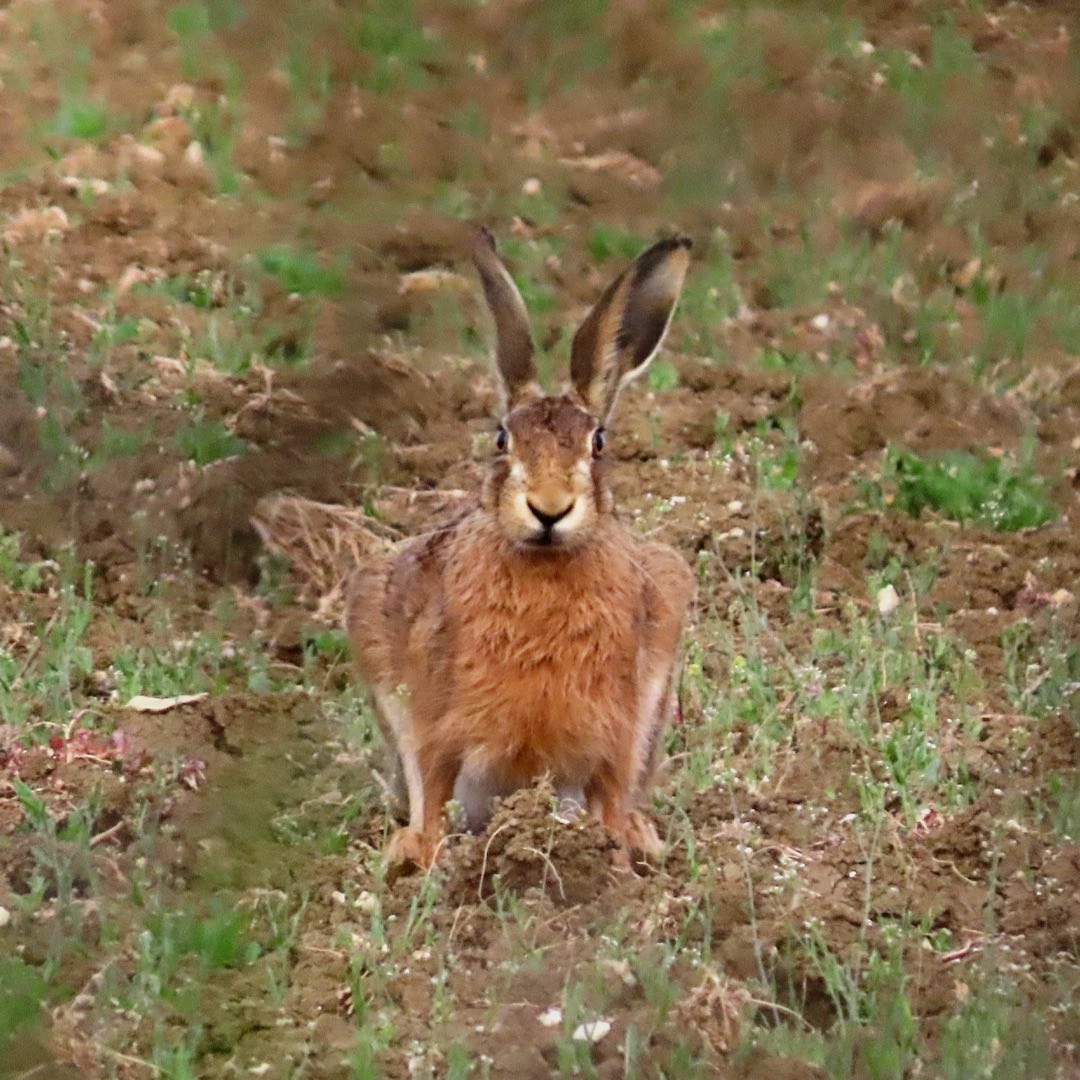
Discover the animals that share our environment — from the familiar to the elusive.
