Read the Story Written in Stone

Explore millions of years of Earth’s history beneath your feet.

3rd Thursday of each month · starts at 2:30 PM

Geology

The Geology Section meets on the third Thursday of each month at 2:30pm, offering a varied and intellectually engaging programme of talks, discussions, and practical sessions. Led by knowledgeable members and visiting specialists, meetings are designed to encourage a deeper understanding of the Earth’s structure, history, and processes.

Whether you are new to the subject or have an established interest, the Section provides a welcoming and stimulating environment in which to learn and exchange ideas.

Programme and Areas of Interest

The Section has a particular interest in the geology of Northamptonshire and the surrounding counties, including the building stones, ironstones, clays, and landscapes that define the region’s character. At the same time, the programme extends well beyond the local area to encompass a broad range of geological topics.

Recent subjects have included the history and use of Northampton’s building stones, the concept of “Deep Time,” studies of Midlands minerals led by Roy Starkey, and explorations of the geology of Pembrokeshire.

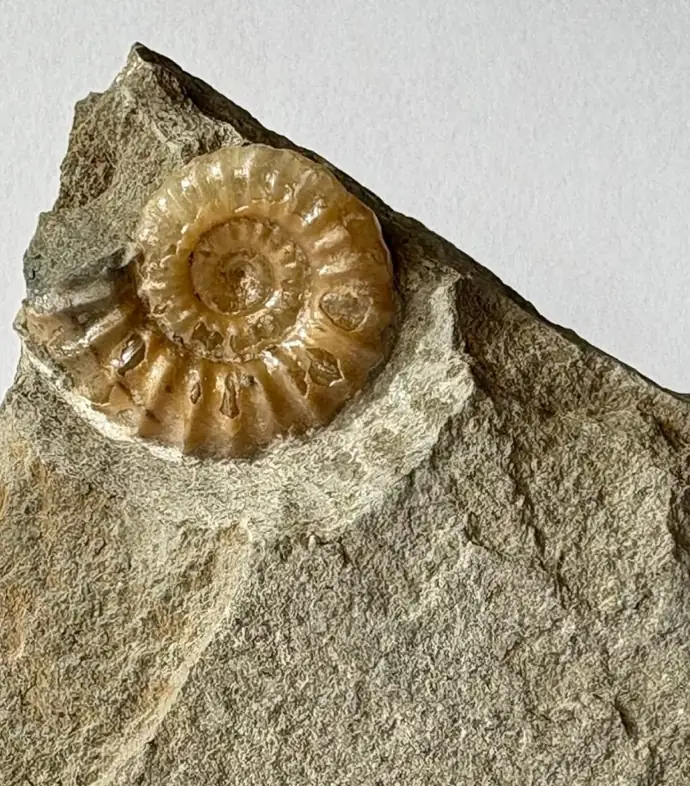
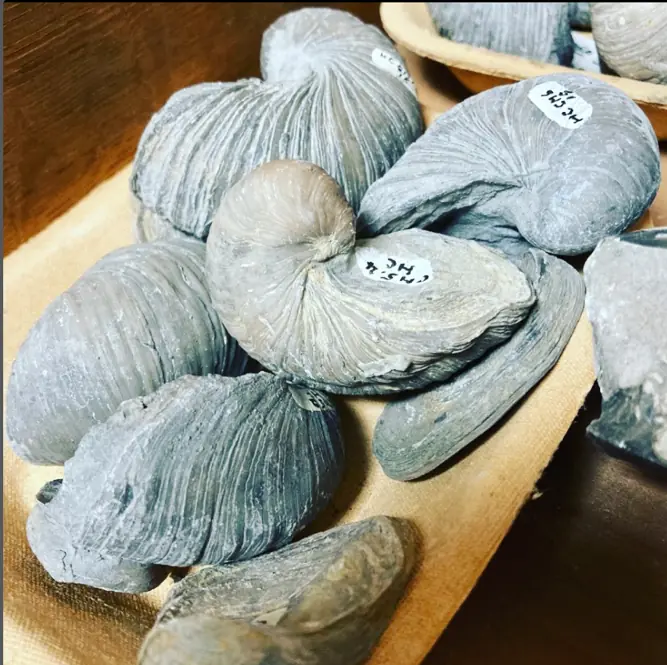
Practical sessions form an important part of the programme, with opportunities to examine and interpret specimens from the Society’s own collections.

The Section also recognises the contributions of significant figures in the development of geology, including John Morton, William Smith, Anne Baker, and Beeby Thompson.

Collections and Heritage

Geology was one of the earliest sections established within the Northamptonshire Natural History Society, and it retains a strong historical legacy.

Notable past members include Beeby Thompson, a pioneering figure in Northamptonshire geology, and Walter Crick, grandfather of Francis Crick.

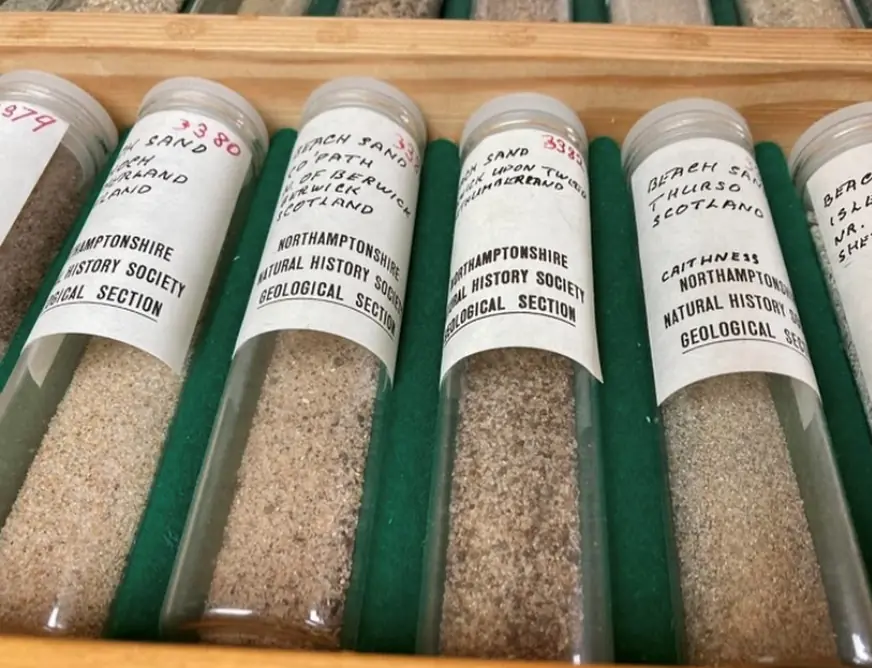
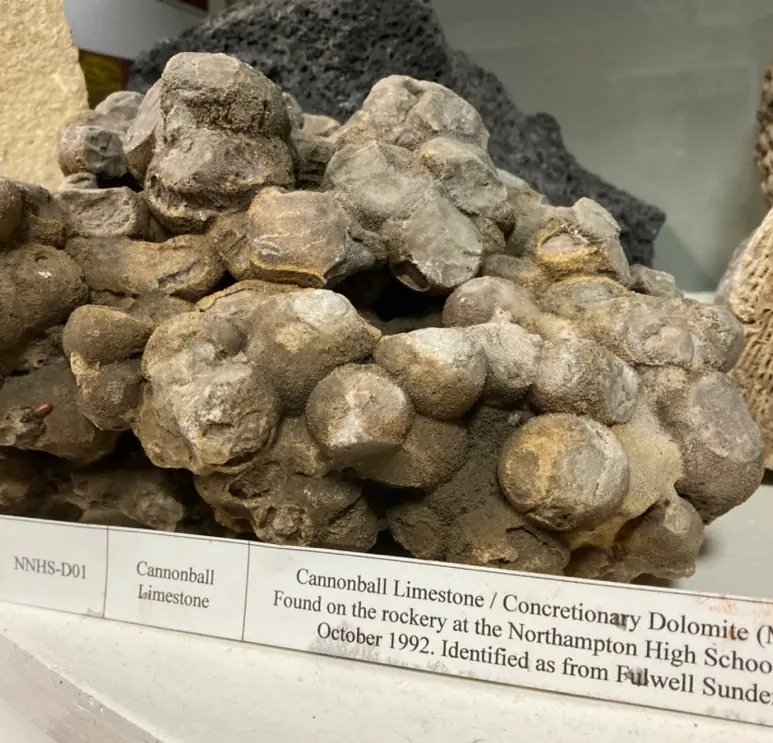
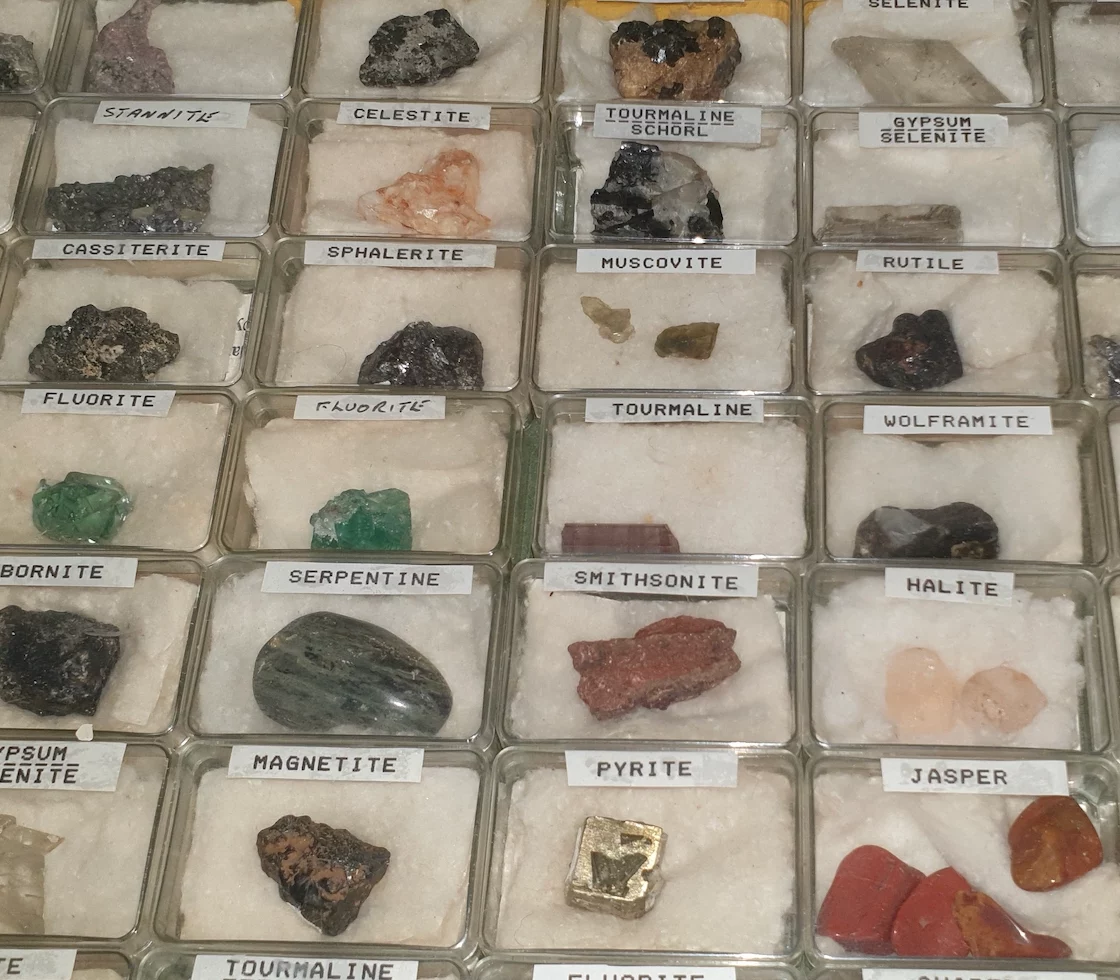
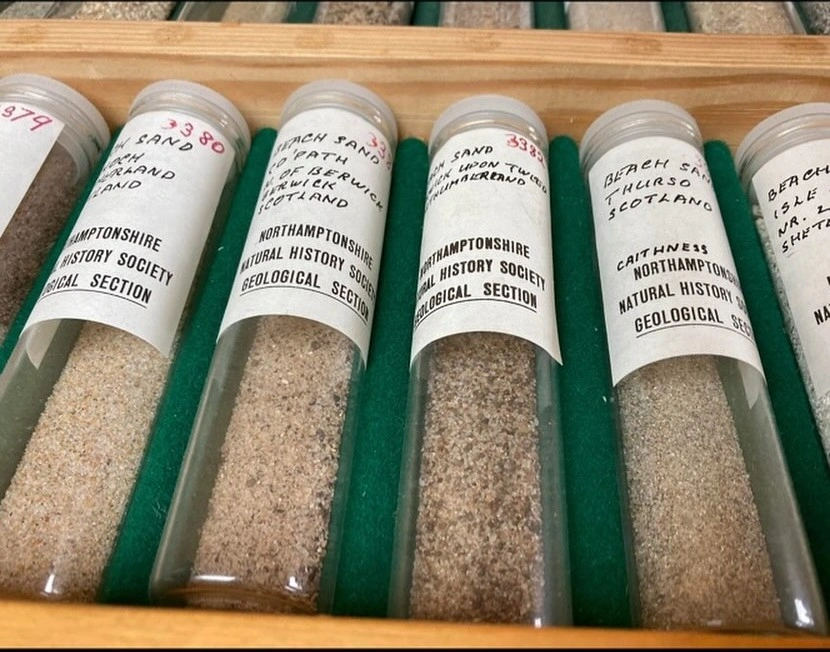
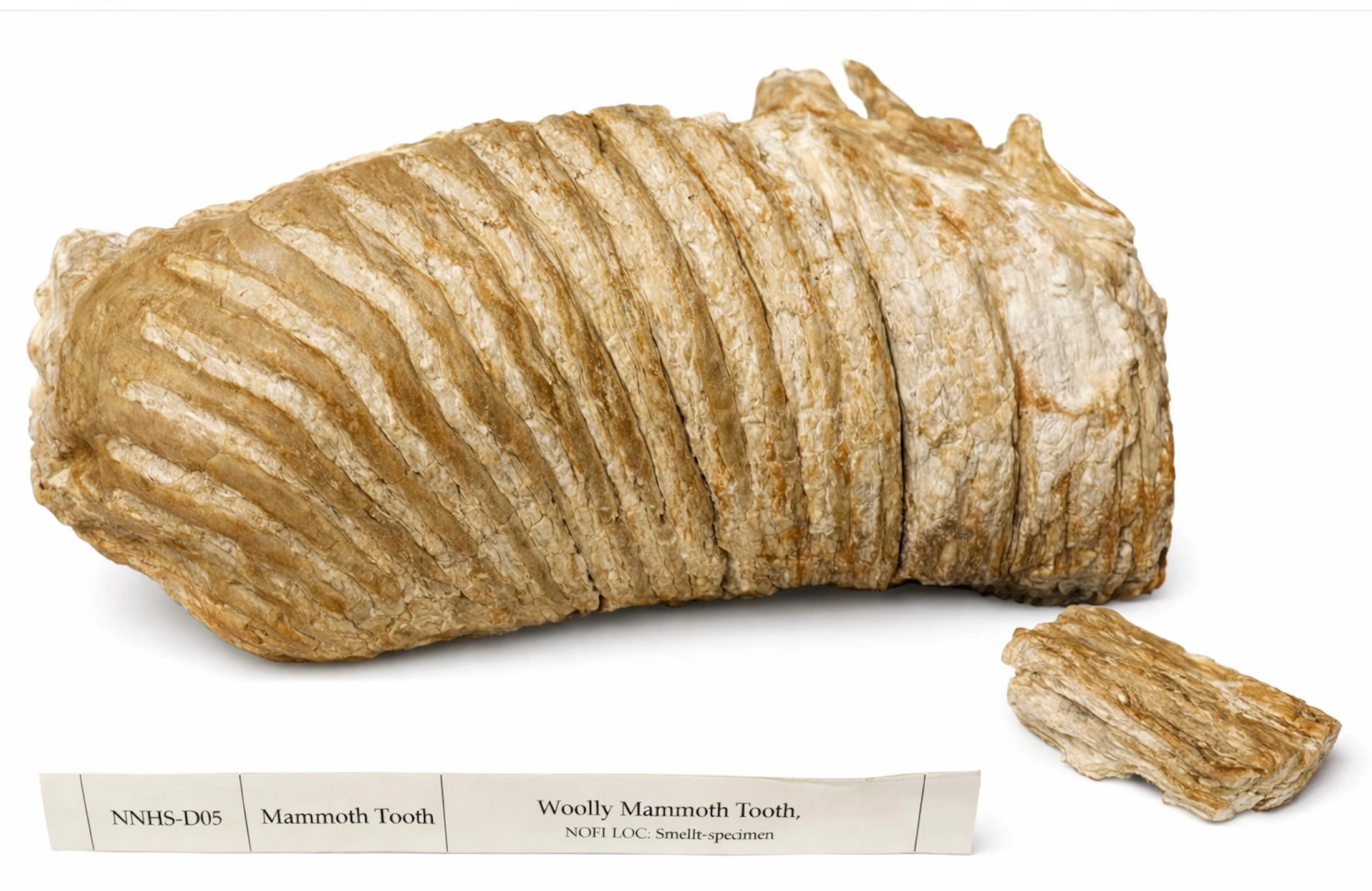
Today, the Section curates a number of important collections, including Walter Crick’s fossils, microfossils, and foraminifera, as well as more than 1,200 rock and mineral specimens assembled by Beeby Thompson, Ron Martin, and other members. The Gordon Osborne Sand Collection, housed in the Society’s rooms, is considered one of the largest collections of its kind held by a local society, demonstrating the scientific significance of even the smallest geological materials.

Members with an interest in collections care and research are invited to join the Society’s Curation Group, which meets at 11:00am on alternate Mondays (see programme for details).

Wider Connections

The Geology Section maintains close links with the Northampton U3A Geology Group, supporting a wider local community of those interested in earth sciences.

The Section also supports the Friends of St Peter’s Church, Marefair, where William Smith — often referred to as the “father of English geology” — is buried. The church contains a notable alabaster memorial to Smith, as well as a memorial to Anne Baker, and remains an important site for those interested in the history of geology.

Get Involved

From fossils and minerals to landscapes and geological time, the Geology Section offers the opportunity to explore the history of the Earth in a structured, informative, and welcoming setting.

For further information, please contact the Section Secretary:
Bob Purser
geology@nnhs.info

Fields of Exploration

Where Curiosity Leads

Dig into the past and connect with the people, places, and stories that shaped our landscape.

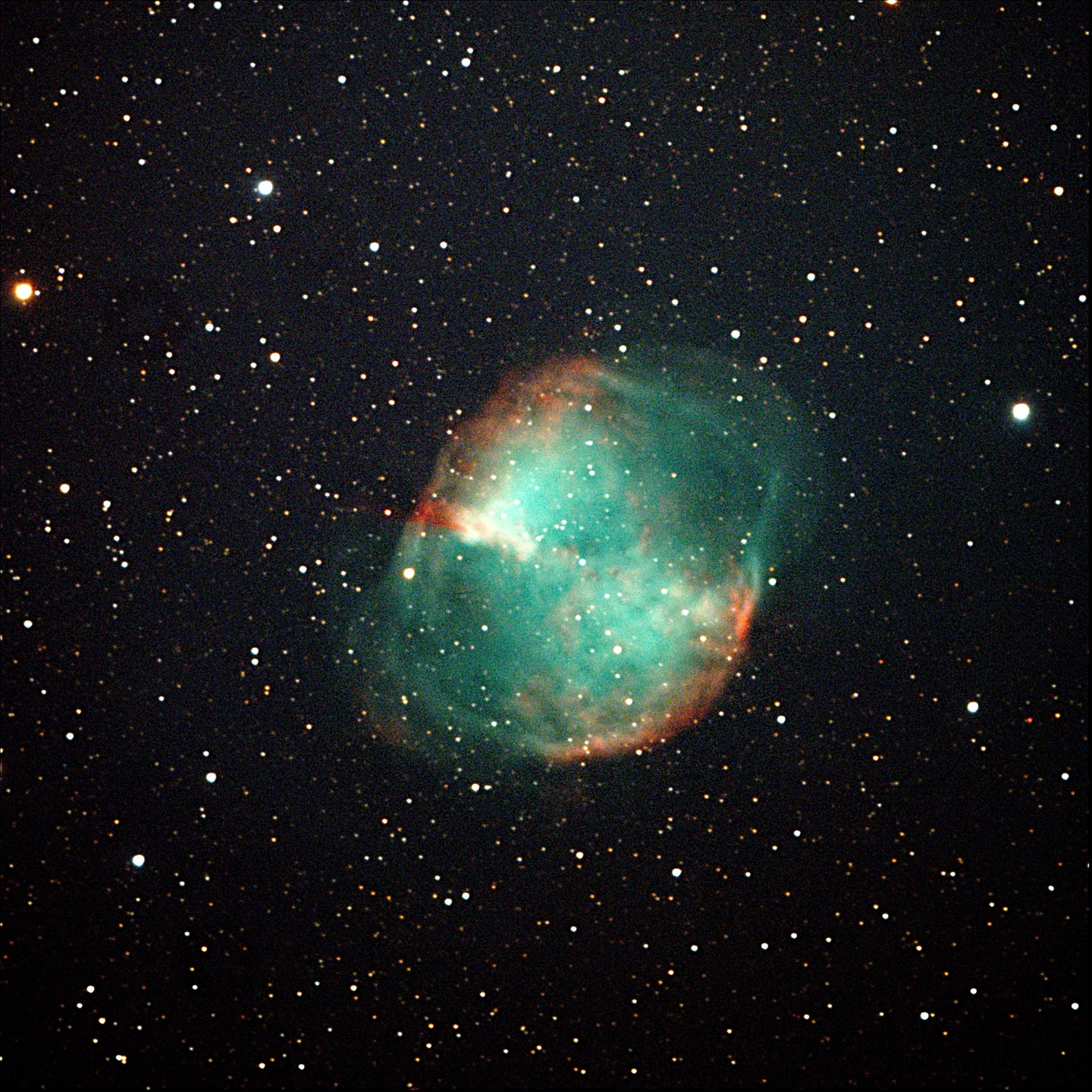
From distant galaxies to the night sky above Northamptonshire – discover the cosmos with us.

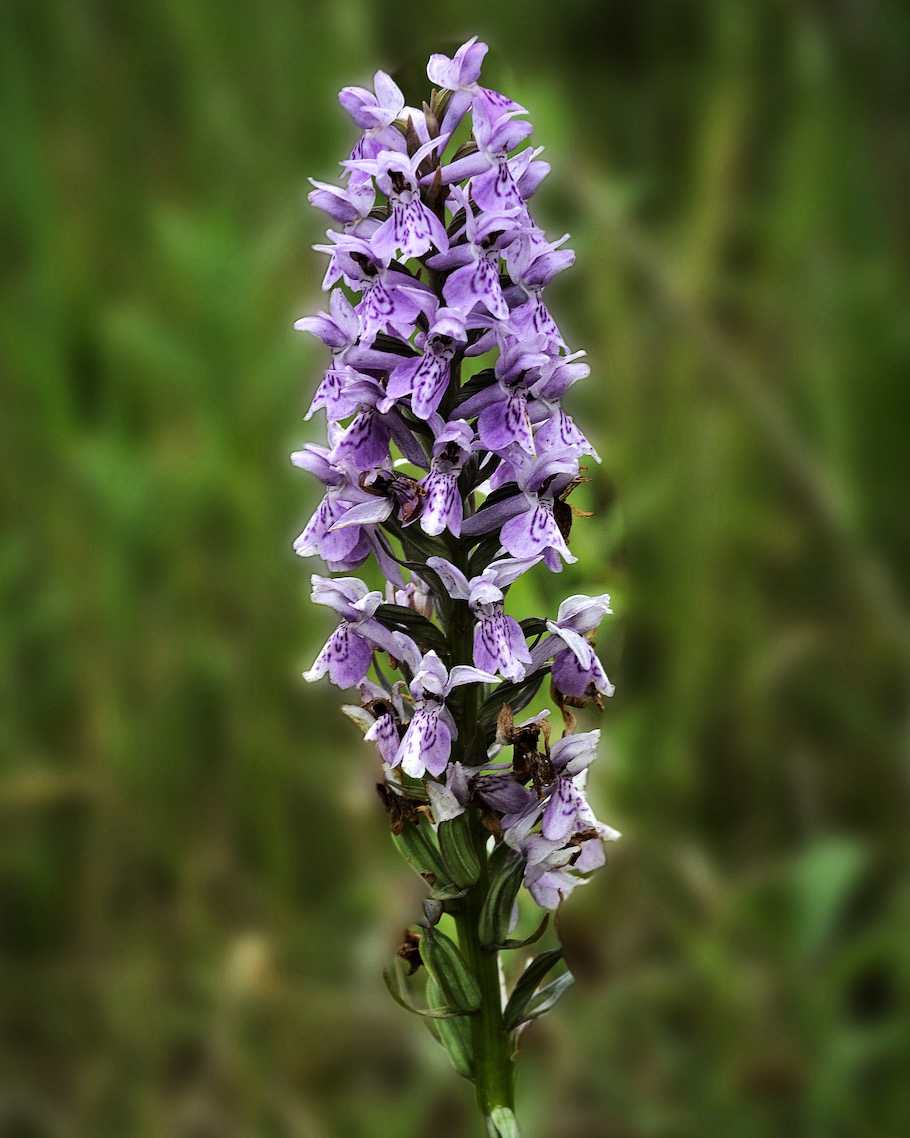
From wildflowers to woodlands, explore the rich plant life that surrounds us.

A place for broad interests, big questions, and a shared passion for the natural world.

Explore millions of years of Earth’s history beneath your feet.

Step into a hidden world revealed through the lens of a microscope.

From landscapes to wildlife, turn observation into lasting images.

From daily weather to global climate, discover the forces shaping our world.

Discover the animals that share our environment — from the familiar to the elusive.